
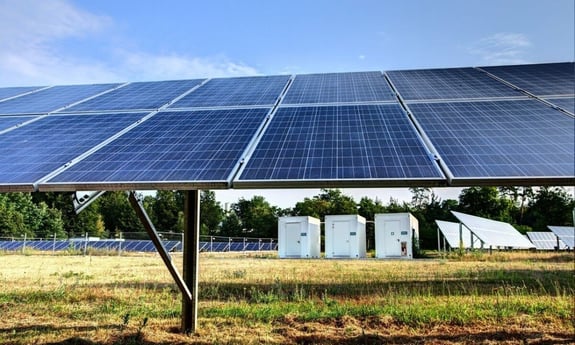
The renewable energy sector is undergoing an unprecedented transformation, and Spain sits at the centre of this shift. According to IRENA (2023), Europe added more than 57 gigawatts (GW) of renewable capacity last year, cementing its position as a global leader in clean generation. Of that figure, Spain contributed approximately 5.8 GW of new solar PV capacity, an 18.9% increase on the previous year, bringing the country's total capacity to 31.3 GW.
This rapid growth has brought a critical challenge into sharp focus: negative electricity prices. During 2024, the Spanish electricity market recorded more than 240 hours of negative prices, particularly in spring and autumn, when high renewable generation coincided with weak demand and significant hydroelectric output. This phenomenon, which also affects other European markets, highlights the urgent need for investment in key infrastructure such as energy storage and cross-border interconnections.
Compared with other European markets, Spain is particularly exposed due to its limited capacity to export energy surpluses and the still-insufficient integration of storage technologies into the energy mix.
The Impact on Renewable Projects
Solar PV and wind projects are designed to maximise generation whenever resource availability is highest. However, on days of high renewable output and low demand, wholesale prices can fall into negative territory. In Spain, during 2024, these situations accounted for between 3% and 4% of total electricity market time, significantly impacting producers' revenues.
In these cases, the grid operator, Red Eléctrica de España (REE), typically resorts to generation curtailment measures to avoid congestion. This creates a dilemma for producers, who must choose between generating at a loss or halting production, jeopardising agreements such as Power Purchase Agreements (PPAs) or hedging contracts. According to ENTSO-E (2023), these decisions can reduce the annual revenues of renewable projects in Europe by between 5% and 8%.
Negative Prices and Insufficient Infrastructure
At the European level, average interconnection capacity represents just 10% of total electricity demand, well below the 15% target set by the European Union for 2030.
In Spain's case, international interconnections account for only 3% of total installed capacity, severely limiting the export of surpluses to neighbouring countries such as France. At the same time, installed storage capacity in Spain barely exceeds 2 GW — an insufficient figure to absorb generation surpluses during negative-price hours (IRENA, 2023).
This lack of infrastructure not only destabilises the electricity system but also makes it harder to attract investment in renewables. According to IRENA (2023), markets with low storage and interconnection capacity can see a reduction of up to 15% in the projected profitability of new projects.
To address this problem, Spain's National Integrated Energy and Climate Plan (PNIEC) sets a target of installing close to 22 GW of storage capacity by 2030, combining pumped-hydro projects and battery systems (BESS). While this approach is more flexible and adaptable, the planned interconnections between Spain and France — such as Aragón-Pirineos Atlánticos and Navarra-Landas — face delays due to the complexity of negotiations between the two countries.
Avoiding Merchant Exposure Erosion
The merchant component, while offering flexibility to capture high prices, also carries risks. The recurrence of negative prices erodes revenues and complicates refinancing. According to BloombergNEF (2024), this volatility has pushed up the discount rates demanded by financiers on projects with merchant exposure by as much as 60 basis points over the past year.
This forces producers to implement active strategies that secure stable revenues and protect the financial viability of renewable assets.
Seizing the Opportunities
When looking at solutions to the negative price problem, the key lies in anticipating scenarios and executing flexible strategies that mitigate their impact. Some recommendations include:
- Incorporating storage systems:
These solutions capture surpluses during negative-price hours and release energy when the market requires it. According to the U.S. Department of Energy (2022), a well-managed storage system can increase a renewable project's profitability by between 20% and 25% in highly volatile markets.
- Hedging contracts and price swaps:
These financial instruments help stabilise revenues and reduce exposure to merchant market volatility. According to BloombergNEF (2023), in markets with high renewable penetration, these strategies have been shown to reduce losses from negative prices by up to 30%.
- Expanding interconnection capacity:
We Can Help You
The rapid growth of renewables in Spain poses complex challenges for IPPs, utilities, investment funds and other market players. Asset management in an environment of negative prices, strict regulatory requirements and limited resources can be overwhelming.
It's not just about mitigating low €/MWh prices — it's about optimising production, minimising downtime and coordinating effectively with O&M operators. For those entering the Spanish market, navigating its administrative and technical particularities adds a further layer of complexity.
If these problems sound familiar, it may be time to look at how to tackle them effectively.
References:
IRENA (2021): Renewables Integration and Market Flexibility
IRENA (2022): The Role of Storage in Renewable Energy Integration
ENTSO-E (2023): System Stability Challenges with Increasing Renewable Penetration
Le Grand Continent (2025): Los precios negativos de la electricidad en Europa
BloombergNEF (2023): Risk Mitigation Strategies for Renewable Projects
U.S. Department of Energy (2022): Utility-Scale Battery Storage: Market Trends